
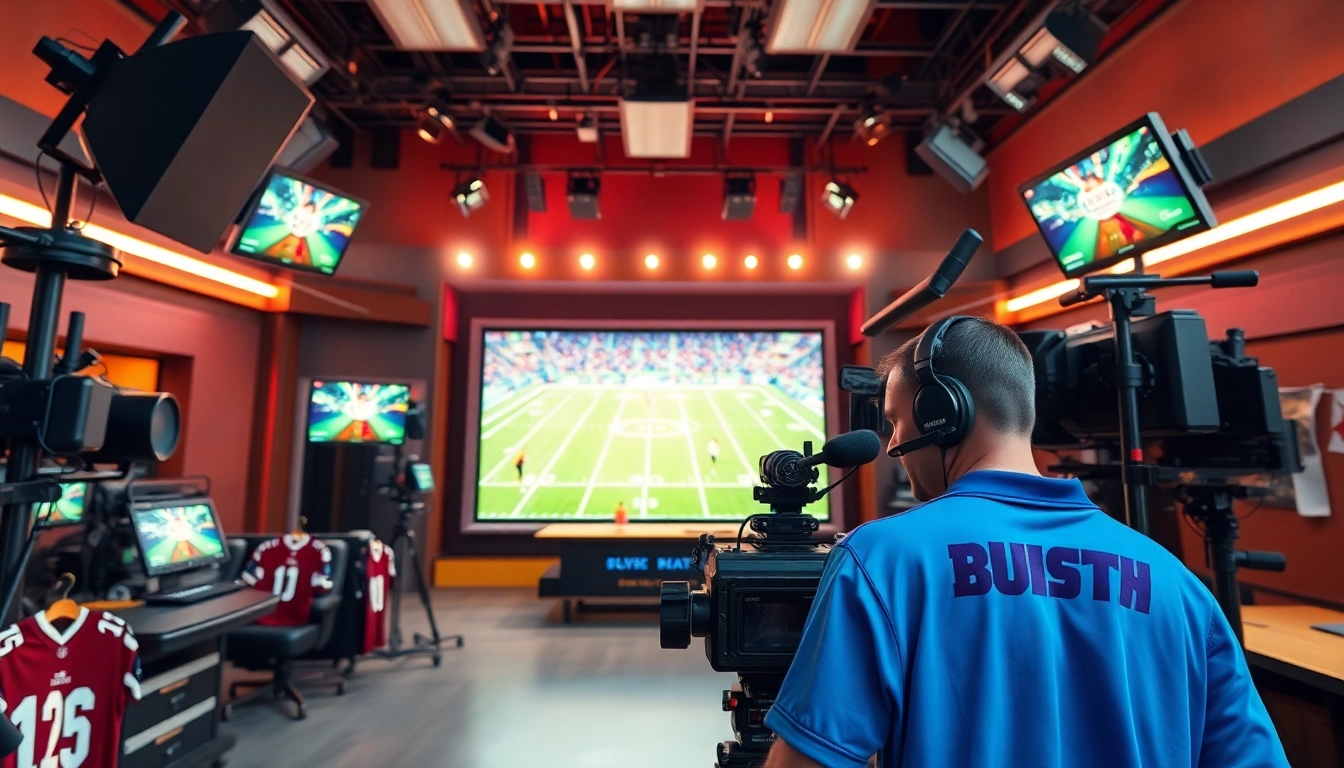
Understanding Sports Broadcasting
Sports Broadcasting plays a crucial role in how fans experience sports. It's the medium through which they engage with live or recorded events, allowing them to feel connected to their favorite teams and athletes from the comfort of their homes or on-the-go. In an age where technology is rapidly advancing, understanding the dynamics of Sports Broadcasting is essential for both broadcasters and viewers alike.
Definition and Importance of Sports Broadcasting
At its core, Sports Broadcasting involves the transmission of live sports events and related content through various media platforms, including television, radio, and digital streaming. Its significance lies in more than just the coverage of games; it creates a shared experience among fans, stimulates local and national economies, and drives engagement with sports culture. By offering access to diverse sports, broadcasters contribute to the popularity and growth of athletic competitions on multiple levels.
Evolution of Sports Broadcasting Technologies
The history of Sports Broadcasting is marked by technological advancements that have transformed how audiences consume sports. From the days of radio broadcasts to the emergence of color television, and now, high-definition streaming, each innovation has pushed the boundaries of what is possible. The introduction of digital broadcasting allowed for multiple channels, enhancing viewer choice and catering to varied sports tastes. Moreover, the rise of the internet has paved the way for streaming services that challenge traditional broadcasting norms, allowing viewers to watch games on various devices.
Key Stakeholders in Sports Broadcasting
Several stakeholders play pivotal roles in the Sports Broadcasting ecosystem. These include sports organizations that own the rights to events, broadcasters who transmit the content, advertisers who provide funding through commercial spots, and consumers who engage with the broadcasts. Each of these groups holds significant power and typically has different objectives, creating a complex web of interactions that shapes the broadcasting landscape.
Popular Types of Sports Broadcasting
Television Broadcasting: Advantages and Limitations
Television remains one of the most traditional and widely used mediums for Sports Broadcasting. The advantages include broad reach and high-quality production standards, which enhance viewer enjoyment. However, limitations such as regional blackout restrictions and subscription fees can hinder accessibility. Viewers can enjoy in-game statistics, expert commentary, and highlights but may miss out on coverage of less popular sports due to network focus on major leagues.
Online Streaming Platforms: A New Era
With the rise of the internet, online streaming platforms have revolutionized Sports Broadcasting. These services enable fans to watch live games any time, anywhere, often for a fraction of the cost of cable subscriptions. They also provide on-demand access to highlights and replays. However, with so many platforms competing for viewers’ attention, the oversaturation of options can sometimes create confusion and subscription fatigue among fans.
Radio Broadcasting: Still Relevant?
Despite the dominance of television and online platforms, radio broadcasting continues to have its place in Sports Broadcasting. It offers a companion to fans unable to watch games in real-time, and its mobility allows fans to stay updated while on the move. Radio hosts can create vivid and engaging narratives, bringing sports events alive through sound. Nonetheless, the challenge lies in attracting younger audiences who tend to favor visual content over audio.
Best Practices for Professional Sports Broadcasting
Preparing for Live Events
Preparation is key to a successful live sports broadcast. This involves thorough research into the teams, players, and any storylines leading up to the event. Effective planning includes coordinating with production teams, ensuring technical equipment is functional, and conducting pre-game interviews. Establishing a clear strategy helps broadcasters manage unexpected issues that may arise during live transmissions.
Engaging the Audience with Interactive Content
To captivate audiences, broadcasters should incorporate interactive content into their programming. Polls, quizzes, and viewer comments can create a more immersive experience and promote viewer engagement. Social media integration allows fans to contribute their thoughts in real-time and fosters a sense of community among viewers, enhancing their overall experience.
Utilizing Social Media for Sports Broadcasting
Social media has become an indispensable tool for Sports Broadcasting. Broadcasters should leverage platforms like Twitter, Instagram, and Facebook to share live updates, behind-the-scenes content, and engaging highlights. This outreach not only enhances viewer involvement but also drives traffic back to the main broadcasting channel, increasing overall viewership and engagement.
Challenges in Sports Broadcasting
Adapting to Technological Changes
The rapid evolution of technology poses a continuous challenge for sports broadcasters. Keeping up with new platforms, equipment, and viewer preferences is essential. Frequent training and adaptability are crucial to deliver top-quality content. Broadcasters must also remain competitive by exploring innovative formats, such as high-definition broadcasts and virtual reality applications.
Managing Live Event Logistics
Broadcasting live events involves meticulous planning and coordination. Challenges include accommodating unpredictable weather, last-minute schedule changes, and technical difficulties. Establishing a robust logistical framework and contingency plans can help broadcasters manage these challenges and ensure a seamless viewing experience for fans.
Legal Issues and Broadcasting Rights
Legal concerns are integral to the Sports Broadcasting landscape, particularly when it comes to broadcasting rights. Navigating contracts, regional restrictions, and copyright issues can be complex. Broadcasters must ensure compliance with legal standards and secure proper rights to avoid costly disputes while maintaining access to the live events audiences expect.
Future Trends in Sports Broadcasting
Impact of Virtual Reality and AR
Virtual reality (VR) and augmented reality (AR) technologies are poised to transform the Sports Broadcasting experience. VR can immerse fans in the action, allowing them to feel as though they’re sitting in the stadium, while AR can provide real-time stats and player information directly within the broadcast. This level of engagement can enhance viewer retention and attract new followers to sports.
Data Analytics and Sports Broadcasting
Data analytics is becoming increasingly vital in Sports Broadcasting. Utilizing big data can yield insights that enhance programming decisions, audience targeting, and advertising strategies. Broadcasters can analyze viewer preferences and behavior, allowing them to tailor content more effectively, ensuring a more engaging viewing experience.
Emerging Platforms and Viewing Habits
The rise of mobile and on-demand platforms is transforming viewing habits. Audiences are shifting towards platforms that offer flexibility and convenience. As more viewers cut the cord with traditional cable, broadcasters must adapt to these changes by providing multi-platform access that meets the needs of modern viewers.
Frequently Asked Questions
What is Sports Broadcasting?
Sports Broadcasting involves the distribution of live or recorded sports events through various media, including television, radio, and online platforms.
What are the main types of Sports Broadcasting?
Major types include television broadcasting, online streaming platforms, and traditional radio broadcasts, each with distinct advantages.
How has technology changed Sports Broadcasting?
Advancements like HD broadcasting, online streaming, and mobile apps have transformed viewer experiences and accessibility in Sports Broadcasting.
What challenges do broadcasters face?
Challenges include adapting to technology shifts, ensuring seamless event logistics, and navigating legal broadcasting rights.
What future trends should we expect in Sports Broadcasting?
Emerging trends include the integration of VR, AR technologies, and enhanced data analytics to improve viewer engagement in Sports Broadcasting.